What to Do After a Car Accident: A Step-by-Step Guide
What to Do After a Car Accident: A Step-by-Step Guide
The sound of screeching tires and the jolt of impact can leave anyone shaken. In the moments following a car accident, your mind races, and adrenaline takes over. It's a stressful, disorienting experience, but knowing what to do next can make a significant difference in your safety and the outcome of the situation. This guide provides a clear, step-by-step plan to help you navigate the immediate aftermath of a collision with confidence and control.
Protect Yourself and Handle the Situation Effectively
Step 1: Prioritize Safety Above All Else
Your first and most important priority is the well-being of yourself, your passengers, and others involved. Before doing anything else, take a moment to check yourself for injuries. Some injuries, like whiplash or concussions, may not be immediately apparent due to the shock and adrenaline. If you feel any pain or disorientation, try to stay still.
Step 2: Contact the Authorities
Even if the accident seems minor, it's almost always a good idea to call the police. An official police report is an invaluable document that provides an objective account of the incident. When you file an insurance claim, this report serves as a crucial piece of evidence.
When you call 911 or the non-emergency police line, tell the dispatcher your location as precisely as possible. Mention cross-streets, mile markers, or nearby landmarks. Inform them if there are any injuries or significant road blockages. The police will secure the scene, help direct traffic, and create an official accident report.
Step 3: Exchange Information Correctly
Once the scene is safe and authorities are on their way, you need to exchange information with the other driver or drivers involved. Having this information is essential for filing an insurance claim. Remaining calm and polite during this exchange can prevent the situation from escalating.
Be sure to collect the following details from the other driver:
- Full name and contact information (phone number, address)
- Insurance company and policy number
- Driver's license number and license plate number
- The make, model, and color of their vehicle
Step 4: Document the Scene Thoroughly
Your smartphone is one of the most powerful tools you have after an accident. Use it to document everything. A visual record can be incredibly powerful for your insurance claim. While waiting for the police to arrive, start taking pictures and videos from various angles.
Capture the following:
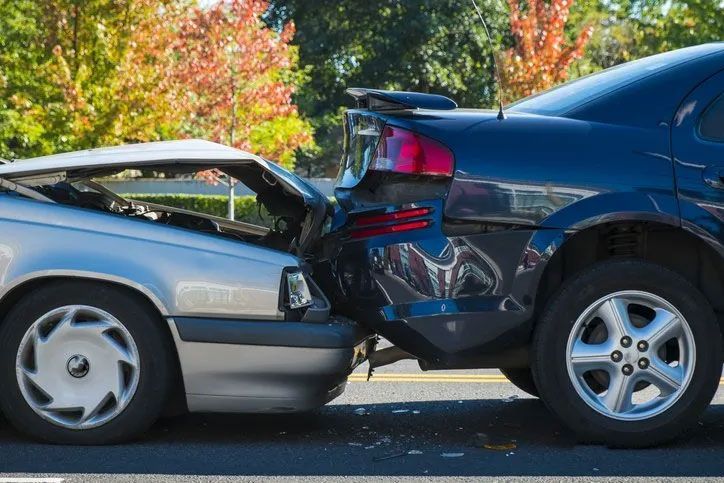
- Damage to All Vehicles: Take close-up photos of the damage to your car and the other vehicle(s). Also, take wider shots that show the damaged areas in context.
- The Accident Scene: Photograph the entire scene, including the position of the cars, traffic signs, skid marks on the road, and any debris from the collision.
- Surrounding Area: Note the weather conditions, road conditions, and time of day. These factors can sometimes play a role in the accident.
- Injuries: If you or your passengers have visible injuries, take photos of them.
Step 5: Notify Your Insurance Company
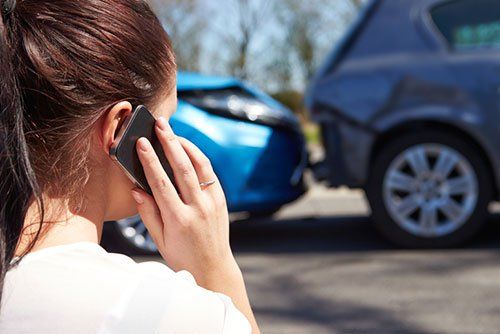
Contact your insurance agent or company as soon as possible after the accident. Most insurance policies require you to report an accident promptly, even if it wasn't your fault. Your insurance provider will guide you through the claims process and explain what your policy covers.
When you call, have your policy number and the information you collected at the scene ready. Provide a clear and factual account of the accident. Your insurer will assign a claims adjuster to your case, who will investigate the incident, assess the damage, and determine the settlement.
Cooperating with your adjuster and providing all the documentation you gathered will help streamline the process.
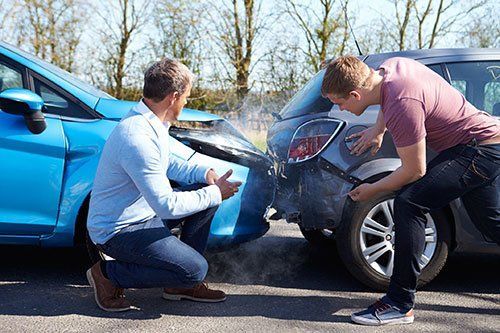
Stay Calm and Prepared - Contact Us to Speak with Your Insurance Agent!
A car accident is an unexpected and jarring event, but being prepared can make all the difference. Keep a small emergency kit in your car with a first-aid kit, a flashlight, a pen and paper, and a copy of your insurance and registration. By following these steps—prioritizing safety, calling the police, exchanging information, documenting the scene, and notifying your insurer—you can handle the situation with a clear head. Staying calm and methodical helps ensure that you are safe and that you have everything needed for a smooth claims process.
At Champoux Insurance Group, we understand how stressful these situations are. Our primary commitment is to support our clients through every challenge, and that includes providing the knowledge you need to navigate the hectic aftermath of a collision. We believe that education is a powerful tool. By helping you understand how to handle these events, we empower you to stay in control during a difficult time, ensuring your interests are well-represented from the moment an incident occurs. We're here not just to provide a policy, but to offer guidance and peace of mind when you need it most.
If you are unable to get in touch with an agent at our office when you need to file an auto insurance claim, you can use the list of other companies to contact someone. If you have an emergency, please call 207-619-2811.